the internet cool conquista
things right now 64—week of 6.1.26
It’s been a big—and, for once, positive—week for Hollywood.
The doom and gloom shrouding America's next Detroit is finally lifting.
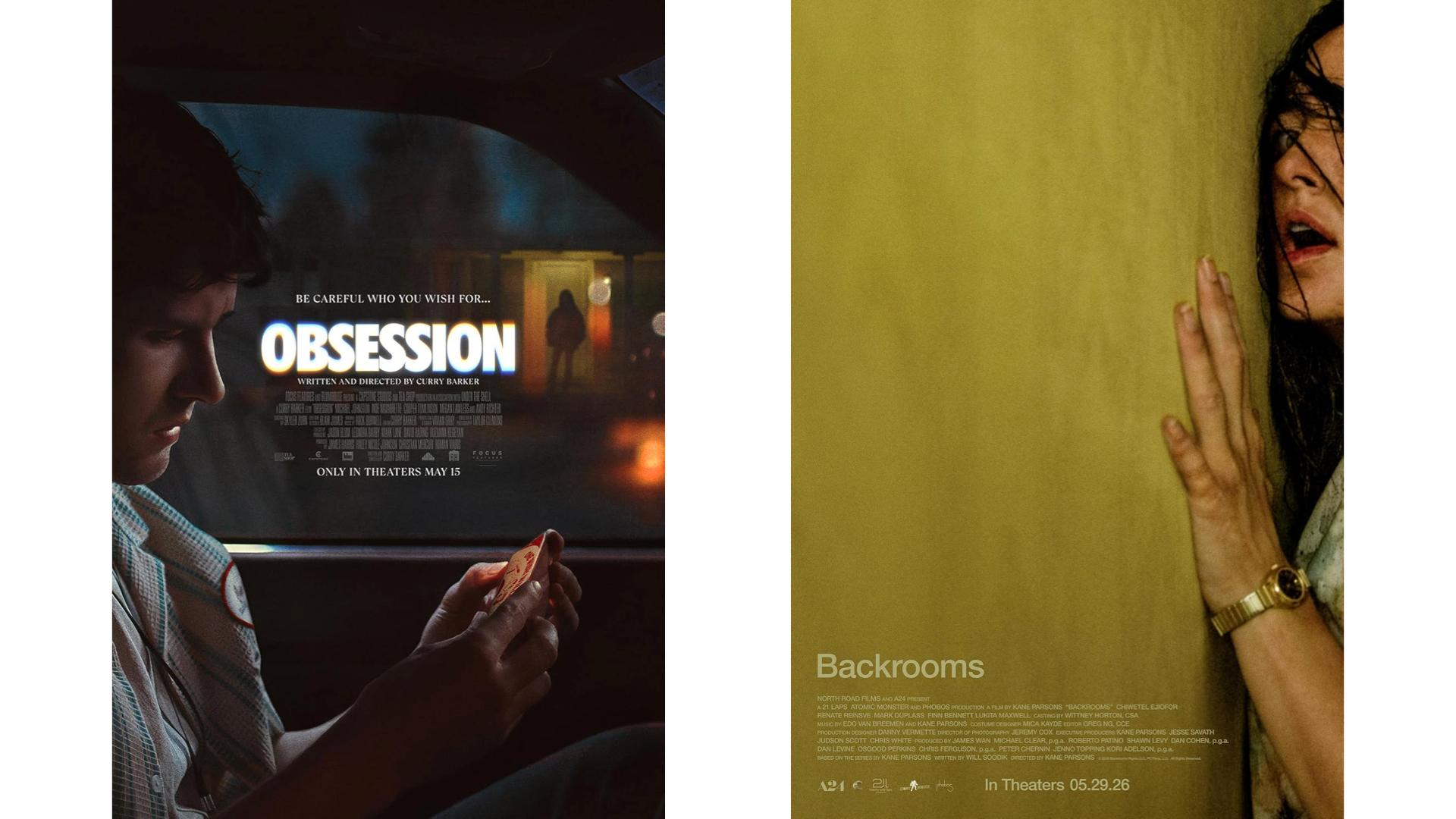
Obsession has made over $100 million worldwide, all from an initial production budget of $750,000, and Backrooms, just released May 29th, already brought in $82 million at the box office and cost just $10 million to make.
Both films will make a profit, and both were directed by Gen Z filmmakers who cut their teeth online, Curry Barker and Kane Parsons, respectively.
Much has already been made of this, so rather than reiterate other commentators' points, I'll link:
Brooks Barnes for The New York Times reiterates a point alluded to in Fandango's recent report, "Generation Shifts." Gen Z likes movies; they just haven't liked the films Hollywood has been producing.
Steven Zeitchik for The Hollywood Reporter writes "The Movie Business Is About to Get VidCon-ized." The construction of a YouTube-to-Hollywood pipeline is well underway.
Justin Chang for The New Yorker details the 'Zoomer-Horror Rennaissance.' Genre movies are back.
Ben Fritz for The Wall Street Journal makes the point that memes are the new brands. The reference points for youth audiences come from 4chan greentexts, not hundred-year-old Disney animations.
But I do have two big points I’d like to make.
1. prestige → entertainment
The millennial preference for prestige is giving way to Gen Z's love of entertainment.
Millennials grew up wary of kitsch, in part, because kitsch was a dominant, if declining, ethos in the pop culture of their childhood. Parodies, spoofs, and pastiches gave millennials a strong dose of it, but couched in the late twentieth century’s postmodern sensibility.
We enjoyed kitsch, but from a sophisticated critical distance. Supposedly, at least.
A24 is obviously the best example of the millennial desire for serious cultural products, with its strong directorial POV, highly aesthetic cinematography, and cult-audience marketing. In the 2010s, it was capeshit or A24 and not much in between.
It's clear Gen Z is hungry for the genre output that traditionally held the middle ground between Oscarbait and 'four quadrant' franchises. The horror film, the romcom, the comedy, the action movie (find examples of hit movies in each genre.)
2. the internet cool conquista
Gen Z doesn’t want to be relegated to internet culture.
Last winter, I published my report, internet cool. In it, I pointed out that the full merger of internet culture and pop culture was almost complete, and that the talent cultivated on social media platforms wanted to transcend their digital beginnings.
Barker and Parsons don't want to be known as YouTubers, they wanted to be known directors. Ambitious creative minds don’t want to be internet famous. They just want to be famous.
Ultimately, movies have a broader cultural impact than fragmentary social media platforms can ever provide.
I also suspect that despite the democratic ethos of platforms like YouTube, creators face pressures that constrain their creative output and limit their career trajectories long term. Audience capture and the ever-shifting demands of the algorithm are the new studios and producers.
Playing between the two paradigms is the sweet spot in 2026.
As Derek Thompson noted in his essay "The Monks in the Casino," the internet is a great place to bet on yourself, but in the long run the house (i.e. the platform) wins. A smart gambler cashes in their chips and takes their money elsewhere.
In the case of Barker and Parsons, they took their winnings to Hollywood, transforming digital clout into real cultural capital.
Expect more to come.