


The singularity is here, so we're told. Artificial intelligence is now sophisticated enough to begin improving itself, unlocking a feedback loop of ever-accelerating progress and growth. This is how superhuman artificial intelligence will be built. Again, so we're told.
Over the summer, Sam Altman and Elon Musk declared the singularity had begun. Stripe, the digital payments processor, even gave it a start date: January 1, 2026.
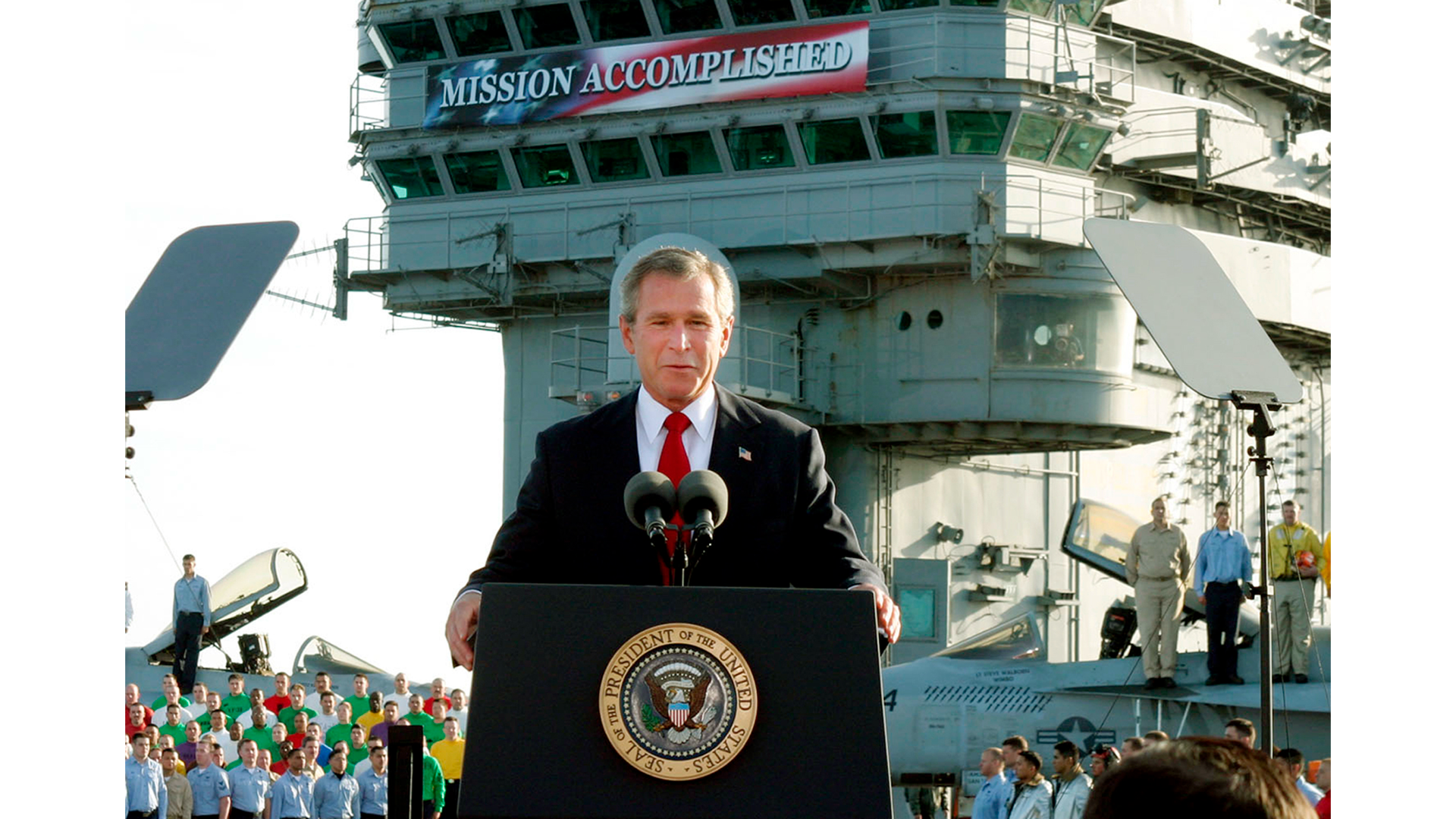
We're in the phase of the AI hype cycle I would like to call crying singularity.
This won't be the last time a tech founder announces to investors or their favorite podcast host that something momentous is underway. I don't doubt that something very big is happening.
But declaring that the singularity is underway is a historic pronouncement. The singularity is on par with the Industrial and Neolithic Revolutions in its implications. These were events so transformative that it's difficult for us to conceptualize life before modern technology—let alone agriculture. Each revolution was a Rubicon. There's no looking back. I mean that literally. The pre-industrial world could not support the billions of people alive on Earth today.
So you would think the American public might care. Seemingly, they don't. The story has been buried by public backlash against data centers, the settlement of a lawsuit alleging that Facebook and Instagram were designed to harm children, and an online spat between the Federal Trade Commission and Y Combinator over H-1B visas.
Tech claims they are building a new world and Americans shrug.
There are a few reasons why.